• Home
    • About
      • Work Packages
      • Team
        • Consortium
          • Steering Committee
            • Advisory Boards
              • News
                • Events
                • Results
                  • Resources
                    • Cluster
                      Subscribe for news Log in
                      Subscribe to news Intranet
                      379 results found in 1ms

                      Type something to start searching.

                      Chemical defence mechanisms may not protect Antarctic seafloor animals and their value for drug discovery
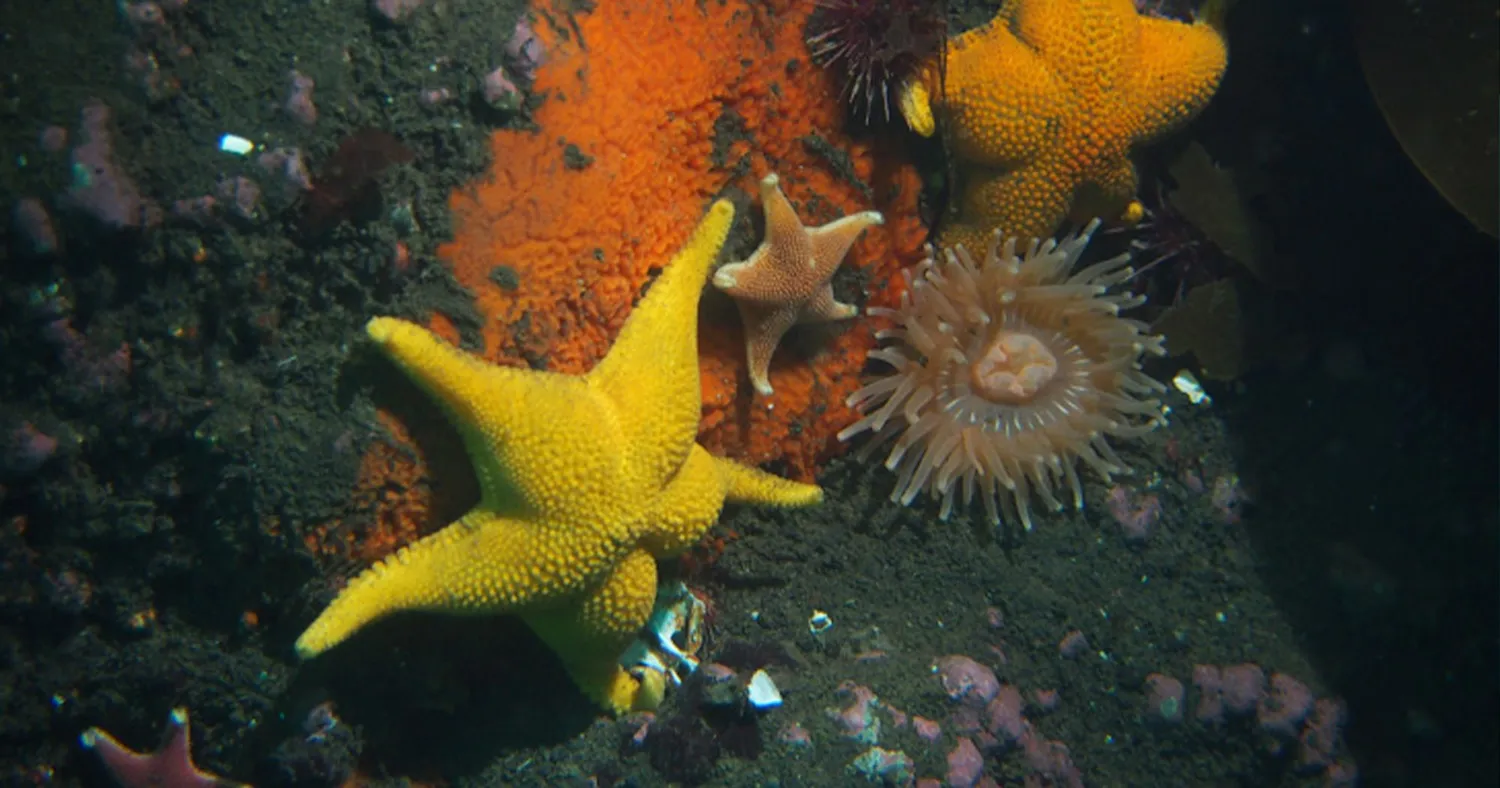
                      image-17d46b1cbdf4f7b338798d28e47a3fbf9646fe9f-1200x630-jpg

                      Long-lived sponges, intestine-like worms, colonies of sea squirts and many other cold-loving animals populate the seafloor around Antarctica. But the arrival of outsiders (non-natives) in ships’ ballast water, on plastic refuse or on floating kelp, or encouraged by warming temperatures are threatening this ecosystem. Like their northern counterparts, benthic organisms in Antarctica make chemical compounds to defend themselves from local predators. Are these defences enough to repel the increasing population of non-native invaders?

                      Avila, C., Buñuel, X., Carmona, F., Cotado, A., Sacristán-Soriano, O., and Angulo-Preckler, C. (2022). Would Antarctic Marine Benthos Survive Alien Species Invasions? What Chemical Ecology May Tell Us. Marine Drugs, 20(9), 543. DOI: https://doi.org/10.3390/md20090543.

                      Learn more read the full article.

                      Back to News & Events

                      Contact us

                      Project Coordinator

                      Gilles van Wezel

                      g.wezel@biology.leidenuniv.nl

                      Project Manager

                      Mariana Avalos Garcia

                      m.avalos.garcia@biology.leidenuniv.nl

                      Project Communications & Press

                      Avril Hanbidge

                      avril@erinn.eu

                      Follow us

                      image-8a5238b8d18dd86c0b02e452f791716943f9b30d-1280x853-webp

                      This project has received funding from the European Union’s Horizon 2020 research and innovation programme under Grant Agreement no. 101000392 (MARBLES). This output reflects only the author’s view and the European Research Executive Agency (REA) cannot be held responsible for any use that may be made of the information contained therein.

                      Data Policy
                      Privacy Statement
                      This website uses cookies to ensure you get the best experience.